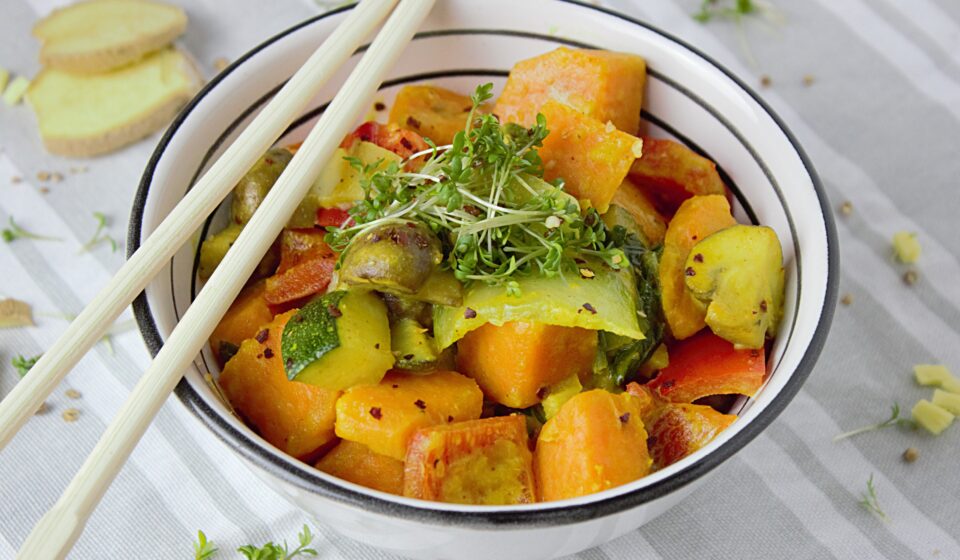

Mixed Vegetable Salan is a comforting and flavorful Pakistani-style vegetable curry made with a colorful combination of fresh vegetables, aromatic spices, tomatoes, and a rich onion-based gravy. It is an excellent choice for lunch or dinner when you want something wholesome, budget-friendly, and easy to prepare.
This simple mixed vegetable salan can be served with roti, chapati, naan, or steamed rice. You can also adjust the vegetables and spices according to your family’s preferences. The result is a delicious homemade curry with tender vegetables and a flavorful gravy.
Why You Will Love Mixed Vegetable Salan
There are many reasons to add this vegetable salan to your weekly meal plan:
- It is easy to prepare.
- It uses simple everyday ingredients.
- You can use seasonal vegetables.
- It is suitable for a family meal.
- It pairs well with both roti and rice.
- The recipe can be adjusted according to taste.
- It is a great way to enjoy a variety of vegetables in one dish.
Ingredients for Mixed Vegetable Salan
For approximately 4 servings, you will need:
- 2 tablespoons cooking oil
- 1 medium onion, finely sliced
- 2 medium tomatoes, chopped
- 1 teaspoon ginger-garlic paste
- 1 medium potato, peeled and cubed
- 1 medium carrot, sliced
- 1 cup cauliflower florets
- 1 cup green peas
- 1 small capsicum, chopped
- 1 small zucchini or another seasonal vegetable
- 1/2 teaspoon turmeric powder
- 1 teaspoon red chili powder
- 1 teaspoon coriander powder
- 1/2 teaspoon cumin powder
- 1/2 teaspoon garam masala
- Salt to taste
- 1/2 cup water, or as needed
- 2 tablespoons fresh coriander, chopped
How to Make Mixed Vegetable Salan
1. Prepare the Vegetables
Wash all the vegetables thoroughly and cut them into similar-sized pieces. Cutting the vegetables evenly helps them cook more consistently.
Keep harder vegetables such as potatoes and carrots separate from softer vegetables because they may require different cooking times.
2. Cook the Onion
Heat oil in a large pan over medium heat. Add the sliced onion and cook until it becomes soft and lightly golden.
Avoid burning the onion because it can give the curry a bitter taste.
3. Add Ginger and Garlic
Add the ginger-garlic paste and cook for about 30 seconds to 1 minute. Stir continuously until the raw aroma disappears.
4. Add Tomatoes and Spices
Add the chopped tomatoes, turmeric powder, red chili powder, coriander powder, cumin powder, and salt.
Cook the mixture until the tomatoes become soft and the oil begins to separate from the masala. This step helps develop the rich flavor of the salan.
5. Add the Vegetables
Add the potatoes and carrots first because they take longer to cook. Stir them with the masala for a few minutes.
Then add cauliflower, peas, capsicum, and zucchini or your chosen vegetables.
6. Cook the Salan
Pour in about half a cup of water and mix everything gently. Cover the pan and cook over medium-low heat until the vegetables become tender.
Check the curry occasionally and add a little more water if necessary.
The vegetables should be cooked through but should still hold their shape.
7. Add Garam Masala
Once the vegetables are tender, sprinkle garam masala over the curry. Stir gently and cook for another 2 to 3 minutes.
Taste the salan and adjust the salt or spices if needed.
8. Garnish and Serve
Turn off the heat and garnish the mixed vegetable salan with freshly chopped coriander.
Serve hot with your favorite bread or rice.
Best Vegetables for Salan
One of the best things about this recipe is its flexibility. You do not have to use exactly the same vegetables every time.
Good choices include:
- Potatoes
- Carrots
- Cauliflower
- Green peas
- Capsicum
- Green beans
- Zucchini
- Bottle gourd
- Eggplant
- Corn
- Spinach
Choose vegetables that are fresh and available in your kitchen. Seasonal vegetables can make the dish even more flavorful.
Tips for Making Perfect Mixed Vegetable Salan
Do not overcook the vegetables: Overcooked vegetables can become mushy. Cook them until they are tender but still retain their shape.
Prepare the masala properly: Allow the tomatoes and spices to cook until the mixture becomes thick and fragrant. This creates a more flavorful gravy.
Control the water: Add water gradually. A salan should have a flavorful gravy without becoming excessively watery.
Use fresh vegetables: Fresh vegetables generally provide better texture and flavor.
Adjust the spice level: Reduce the red chili powder for a mild curry or increase it if you prefer a spicier dish.
How to Make the Salan Creamier
For a richer version, you can add a small amount of yogurt or coconut milk toward the end of cooking. If using yogurt, whisk it well before adding it to the curry and keep the heat low to help prevent curdling.
Another option is to add a small amount of cream, although the traditional version can be prepared without it.
What to Serve with Mixed Vegetable Salan
Mixed Vegetable Salan is versatile and can be served with many side dishes.
Try it with:
- Chapati
- Roti
- Naan
- Paratha
- Jeera rice
- Plain steamed rice
- Pulao
For a complete meal, serve the salan with a fresh cucumber and tomato salad and plain yogurt.
You can also explore other homemade recipes such as Aloo Gobi, Aloo Paratha, and Dahi Chana Chaat.
Aloo Gobi Variation
To make a simple Aloo Gobi-style variation, increase the amount of potatoes and cauliflower and reduce the other vegetables. The same onion-tomato masala works beautifully with this combination.
Aloo Paratha Pairing
A warm vegetable salan pairs wonderfully with homemade aloo paratha. The soft paratha can be used to scoop up the flavorful vegetable gravy, making a satisfying meal for breakfast, lunch, or dinner.
Dahi Chana Chaat Side Dish
If you are preparing a larger family meal, a refreshing dahi chana chaat can be served alongside the salan. The cool yogurt and chickpeas provide a pleasant contrast to the warm spiced curry.
Storage Instructions
Allow leftover salan to cool before transferring it to an airtight container. Refrigerate it and use it within a few days for the best quality.
When reheating, place the salan in a pan over low to medium heat. Add a small splash of water if the gravy has become too thick.
Always reheat only the portion you plan to eat.
Can You Freeze Mixed Vegetable Salan?
Yes, mixed vegetable salan can be frozen. However, vegetables with high water content may change texture slightly after freezing and thawing.
For better results, allow the curry to cool completely before placing it in a freezer-safe container. Thaw it safely and reheat thoroughly before serving.
Frequently Asked Questions
Can I make mixed vegetable salan without potatoes?
Yes. You can leave out potatoes and use extra cauliflower, carrots, peas, green beans, capsicum, or other vegetables.
Can I make this recipe less spicy?
Absolutely. Reduce the red chili powder and use mild green chilies or leave them out completely.
Can I add chicken to mixed vegetable salan?
Yes, if you want a non-vegetarian variation. Cook the chicken thoroughly before combining it with the vegetable masala.
What gives salan its flavor?
The combination of onions, tomatoes, ginger-garlic paste, spices, and properly cooked vegetables gives the salan its characteristic flavor.
Can I use frozen vegetables?
Yes. Frozen peas and mixed vegetables can be convenient alternatives. Add them according to their cooking requirements so they do not become overly soft.
Nutritional Information
The nutritional value of mixed vegetable salan will vary depending on the vegetables, amount of oil, and serving size. Vegetables can contribute a variety of nutrients and dietary fiber to a balanced meal.
For a lighter version, use less oil and serve the curry with whole-wheat roti or chapati.
Final Thoughts
Mixed Vegetable Salan is a simple, flavorful, and flexible recipe that can turn everyday vegetables into a satisfying homemade meal. Its delicious onion-tomato gravy, aromatic spices, and colorful vegetables make it suitable for both everyday family dinners and special gatherings.
The recipe is easy to customize, so feel free to use whichever fresh vegetables you have available. Serve it hot with roti, naan, paratha, or rice for a comforting meal that everyone can enjoy.
For more recipe ideas, you can create internal links to related recipes on your food blog using descriptive anchor text such as easy vegetable recipes, Pakistani curry recipes, healthy dinner recipes, and traditional homemade recipes. For external backlinks, link only to trustworthy cooking, nutrition, or food-safety resources that are relevant to the information you provide.