
Masoor Ki Daal Recipe
Introduction to Masoor Ki Daal
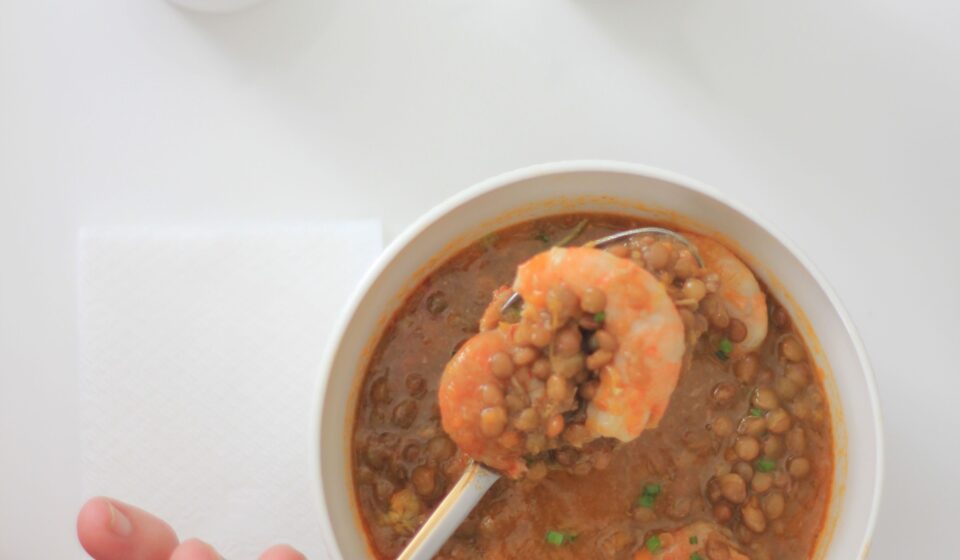
Masoor Dal, commonly known as red lentils, is one of the most popular and easy-to-cook lentils in South Asian cuisine. This comforting dish is loved for its simplicity, rich flavor, and high nutritional value. Whether you are a beginner in cooking or an experienced chef, Masoor Ki Daal is a must-have recipe in your kitchen.
This dish is not only affordable but also quick to prepare, making it ideal for daily meals. It pairs perfectly with rice or roti and is a staple in many households.
Nutritional Benefits of Masoor Dal
Rich Source of Protein
Masoor dal is an excellent plant-based protein source, making it perfect for vegetarians and vegans. It helps in muscle growth and repair.
High in Fiber
The high fiber content aids digestion and promotes gut health. It also helps in maintaining healthy cholesterol levels.
Vitamins and Minerals
Masoor dal contains iron, folate, potassium, and magnesium, which are essential for overall body functioning.
Ingredients Required
To prepare a delicious Masoor Ki Daal, you will need:
- 1 cup masoor dal (red lentils)
- 3 cups water
- 1 medium onion (finely chopped)
- 2 tomatoes (chopped)
- 2 green chilies
- 1 teaspoon ginger-garlic paste
- 1/2 teaspoon turmeric powder
- 1 teaspoon red chili powder
- Salt to taste
- 2 tablespoons cooking oil or ghee
For Tadka (Tempering):
- 2 tablespoons oil or ghee
- 3 cloves garlic (sliced)
- 1 teaspoon cumin seeds
- 2 dried red chilies
Kitchen Tools Needed
- Cooking pot or pressure cooker
- Frying pan for tempering
- Spoon or ladle
- Knife and chopping board
Step-by-Step Cooking Method
Preparing the Lentils
Wash the masoor dal thoroughly under running water until the water runs clear. Soak for 10–15 minutes (optional but recommended for faster cooking).
Cooking the Daal
- Add washed dal and water into a pot or pressure cooker.
- Add turmeric and salt.
- Cook until the dal becomes soft (15–20 minutes in a pot or 3–4 whistles in a pressure cooker).
- Mash slightly for a creamy texture.
Preparing the Tadka (Tempering)
- Heat oil or ghee in a pan.
- Add cumin seeds and let them crackle.
- Add garlic slices and fry until golden.
- Add dried red chilies.
- Pour this hot tadka over the cooked dal.
Tips for Perfect Masoor Ki Daal
- Always rinse lentils properly to remove impurities.
- Use fresh spices for better flavor.
- Adjust water quantity for desired consistency.
- Add lemon juice at the end for a tangy taste.
Variations of Masoor Dal
Spicy Masoor Dal
Increase green chilies and red chili powder for a hotter version.
Creamy Masoor Dal
Add a small amount of cream or butter for richness.
Serving Suggestions
Masoor Ki Daal is best served hot with:
- Steamed basmati rice
- Chapati or naan
- Fresh salad and yogurt
Common Mistakes to Avoid
- Overcooking the dal until it becomes too mushy
- Adding too much water
- Burning the garlic in tadka
- Not balancing spices properly
Storage and Reheating Tips
- Store leftover dal in an airtight container in the refrigerator for up to 3 days.
- Reheat on low flame and add water if needed.
- Avoid reheating multiple times to maintain taste and quality.
Health Benefits of Regular Consumption
Regular consumption of masoor dal helps in:
- Improving heart health
- Boosting energy levels
- Supporting weight management
- Maintaining stable blood sugar levels
Helpful Backlinks for More Recipes
For more delicious and healthy recipes, explore:
- https://www.indianhealthyrecipes.com
- https://www.vegrecipesofindia.com
- https://www.cookwithmanali.com
These resources provide a variety of traditional and modern recipes to enhance your cooking experience.
Frequently Asked Questions
Q1: Can I cook masoor dal without soaking?
Yes, soaking is optional but helps reduce cooking time.
Q2: Is masoor dal good for weight loss?
Yes, it is low in fat and high in protein and fiber.
Q3: Can I freeze cooked dal?
Yes, it can be frozen for up to one month.
Conclusion
Masoor Ki Daal is a simple yet nutritious dish that fits perfectly into a healthy lifestyle. With its quick preparation time and rich taste, it is ideal for everyday meals. By following this guide, you can easily prepare a delicious bowl of dal that your family will love.
Whether you enjoy it plain or with variations, this classic recipe will always remain a favorite in your kitchen.